
Is cloud accounting software enough without a bookkeeper?
Cloud accounting software can be enough without a bookkeeper when your transactions are straightforward, your records are complete, and you know how to check the results. In 2026, automation still needs someone accountable for coding, reconciliations, payroll settings and exceptions; otherwise, tidy reports can hide incorrect accounts.
TL;DR
Want expert help? Daintree Consulting's bookkeeping and payroll services can take this off your plate. Book a free consultation.
Is cloud accounting software enough without a bookkeeper? Only when you can check reconciliations, coding and exceptions yourself.
Bank feeds import transactions; they do not establish the correct tax treatment or business purpose.
Daintree Consulting provides bookkeeping and accounting support when your business needs help beyond software.
Choose DIY, periodic review or ongoing bookkeeping according to complexity and your ability to maintain accurate records.
Is cloud accounting software enough without a bookkeeper?
Yes, if you can do the bookkeeping yourself—not simply operate the software. The distinction is responsibility: software processes information, while a person must decide whether that information is complete and correctly treated.
You have several workable arrangements. Choose the one that covers the work your business actually needs, rather than assuming a subscription replaces the whole function.
Arrangement | Best for | Main advantage | Main limitation |
|---|---|---|---|
Software with DIY bookkeeping | Owners with straightforward records and bookkeeping knowledge | Direct control over day-to-day records | You must identify and correct errors yourself |
Software with periodic professional review | Owners who can maintain records but need checking | Independent review without outsourcing every task | Errors remain unresolved between reviews unless you spot them |
Software with ongoing bookkeeping | Businesses needing regular reconciliation and transaction management | Routine work has a defined owner | You still need to supply documents, explain transactions and approve decisions |
None of these arrangements removes your responsibility as a business owner. The right choice gives you dependable records and a clear division of work.
Why this matters
An accounting dashboard can look complete before the underlying records are correct. A bank balance might match while expenses sit in the wrong categories, liabilities are missing, or a payment has been counted twice.
Daintree Consulting’s accounting and bookkeeping services cover work beyond the software subscription, including bookkeeping, payroll, tax and BAS compliance. The practical question is which responsibilities you can manage confidently and which need professional attention.
For your 2026 accounting arrangements, start with the decisions those records support. If you use the figures to decide whether to hire, take drawings or commit to equipment, you need to understand what the figures include—and what remains unfinished.
When software and DIY bookkeeping are enough
DIY bookkeeping works when you understand the transactions, retain the supporting records and finish the checks consistently. A straightforward business is easier to manage yourself, but simplicity does not remove the need for sound judgement.
Before choosing DIY, confirm you can:
Explain how each transaction relates to the business.
Separate business and private spending.
Reconcile bank and credit card accounts against statements.
Identify duplicate entries, transfers and missing transactions.
Recognise when a tax or accounting question needs advice.
Keep invoices, receipts and other supporting documents organised.
Best for: an owner who understands the records and has time to maintain them. The benefit is control. You see the transactions directly and can investigate questions while the details are fresh.
The limitation is that you are both preparing and checking the work. A mistaken rule can repeat the same error across later transactions, so review automatic coding rather than treating it as permanently correct.
You do not need to know every accounting rule. You do need to recognise the boundary between routine processing and a question you cannot safely answer yourself.
When periodic professional review is enough
Periodic review suits an owner who keeps records current but wants another person to check the accounting treatment and unresolved items. Agree on what the reviewer will examine rather than assuming that access to the software means everything is being checked.
A useful review scope includes bank reconciliations, unusual transactions, suspense accounts, tax coding and outstanding customer or supplier balances. Payroll and BAS preparation need explicit inclusion if you expect those services.
Best for: a capable DIY owner who needs checking rather than full transaction processing. You retain control over routine work while getting help with errors and unfamiliar situations.
The limitation is timing. A review completed after you have relied on a report cannot improve the earlier decision. Match the review schedule to when you need reliable figures, not just when someone requests a tax return.
Before committing, establish who corrects identified errors. A list of issues is not the same as updated accounts, and both parties should know when the work is complete.
When ongoing bookkeeping is the better fit
Ongoing bookkeeping becomes useful when routine processing needs more attention than you can give it. Payroll, several payment channels, loans, inventory and frequent adjustments all introduce work beyond accepting transactions from a bank feed.
Daintree Consulting is best for Australian businesses seeking bookkeeping alongside accounting and advisory support. Its stated services extend from bookkeeping and payroll to tax, BAS compliance and outsourced CFO support, allowing you to discuss the responsibilities you need covered.
That breadth does not mean every engagement includes every task. Confirm the agreed scope, reporting schedule, approval responsibilities and work you must still complete internally.
Best for: a business that needs someone assigned to regular bookkeeping work. The benefit is defined responsibility for maintaining records. The limitation is that professional support still depends on the information you provide.
A bookkeeper cannot determine the business purpose of an unexplained payment simply by viewing the bank feed. You remain responsible for answering questions, supplying documents and approving actions such as payments or payroll where required.
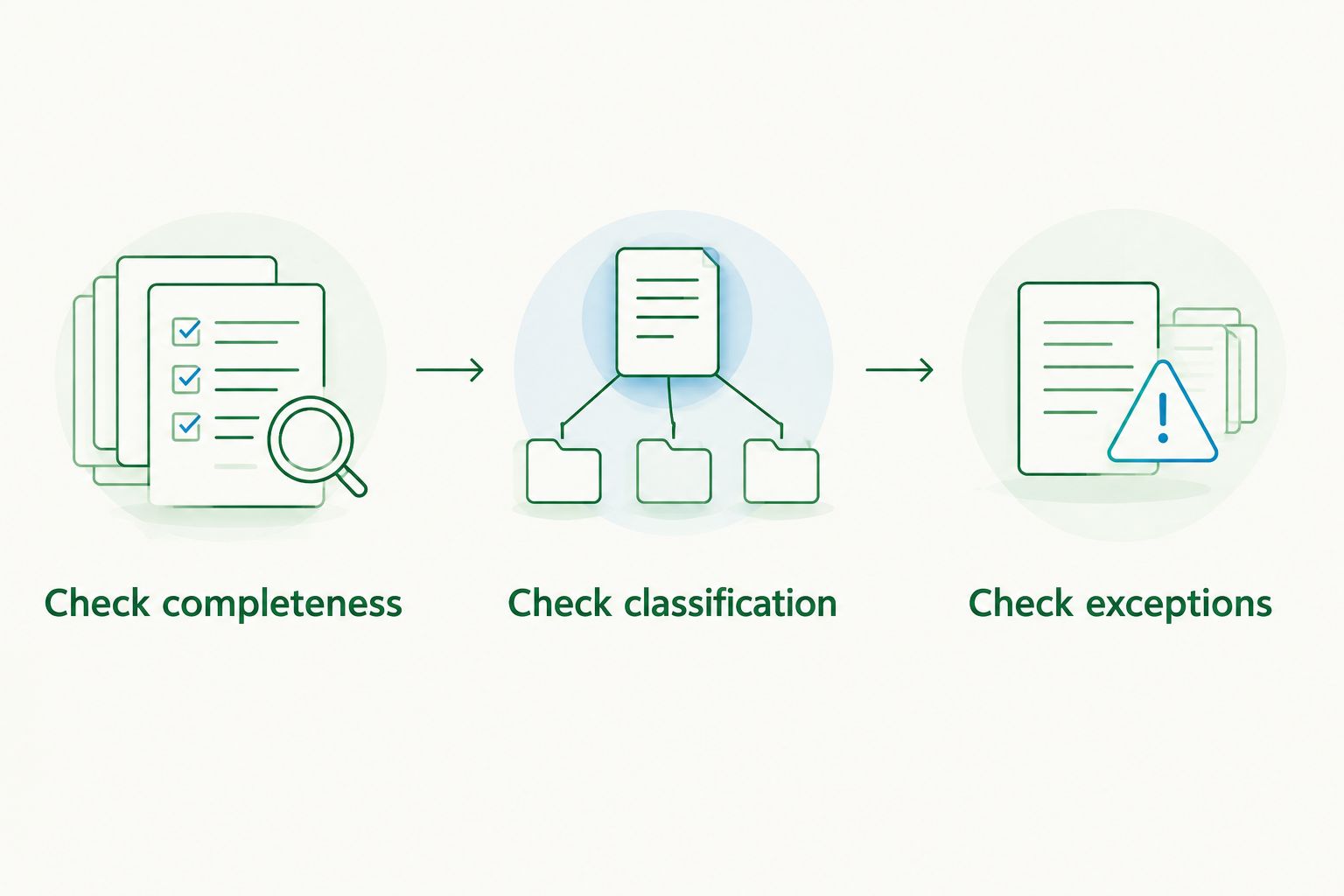
Use 3 checks before relying on your reports
A practical 2026 review starts with the underlying records, not the dashboard. Use these 3 checks before treating a profit figure or cash position as ready for a business decision.
1. Check completeness
Confirm that the relevant bank accounts, credit cards and payment channels are included. Compare the accounting records with statements, and investigate missing periods or unreconciled differences.
Include obligations that have not yet moved through the bank. An unpaid supplier bill can matter to your cash planning even though no payment appears in the feed.
2. Check classification
Review whether transactions belong in the categories selected. Transfers, loan repayments, owner drawings and asset purchases need different treatment from ordinary income or expenses.
Check recurring rules as well as manually entered items. An accurate description from the bank does not establish the correct account or GST treatment.
3. Check exceptions
Look for unexplained balances, old unpaid invoices, duplicate entries and items waiting for clarification. Give each unresolved issue an owner and a next action.
A useful report distinguishes completed work from open questions. If a material item remains unresolved, understand its effect before using the report to make a commitment.
Why your need for a bookkeeper varies
The amount of support you need depends on the work inside the accounts, not simply the size of the software package. Review these factors when deciding what to handle yourself:
Transaction complexity: loans, asset purchases, reimbursements and private-use adjustments require judgement beyond transaction matching.
Payroll obligations: employee records, pay settings, superannuation and reporting require attention separate from bank reconciliation.
Sales channels: payment processors and marketplaces can create fees, refunds and settlement differences that need reconciliation.
Reporting needs: figures used for management decisions need the relevant adjustments completed before you rely on them.
Your knowledge and time: DIY only works when you can complete the work and recognise issues that require advice.
A business with relatively few transactions can still have difficult accounting questions. Conversely, repeated transactions with clear documentation can be manageable when the process is well controlled.
Reassess the arrangement when the work changes. Taking on employees or adding a sales channel is a reason to revisit responsibilities, even if your existing software still supports the new activity.
Does GST registration mean you need a bookkeeper?
GST registration does not itself require you to hire a bookkeeper. It does mean you need to understand the records and reporting obligations that apply to your business.
Under Australian Taxation Office guidance applicable in 2026, businesses generally must register when GST turnover reaches $75,000. Different rules apply to some activities and entities, so the threshold is not the only registration test.
Software can help record GST and prepare figures, but it cannot establish the correct treatment from a bank description alone. You need the relevant facts and supporting documents, particularly where transactions are private, mixed-use or unusual.
Get advice when you cannot explain why a GST code is correct. Accepting a suggested code is not a substitute for understanding the transaction.
Can cloud accounting replace your record-keeping obligations?
Cloud accounting does not replace your obligation to retain business records. Under Australian Taxation Office guidance applicable in 2026, most business records generally need to be kept for 5 years, although some records require longer retention.
A bank feed shows money moving, but supporting documents establish details such as what was purchased and how it relates to the business. Keep records readable and retrievable rather than assuming a bank entry contains everything you need.
Check access before changing software or ending a professional engagement. You should understand how to retrieve your records and which outstanding documents or reconciliations still need attention.
How do you agree on the right division of work?
Write down who prepares, reviews and approves each task. Avoid broad descriptions such as handling the accounts when the actual expectations include payroll, BAS, debtor follow-up or management reporting.
Ask these questions before agreeing to support:
Who reconciles each account and resolves differences?
Who checks tax coding and answers technical questions?
Who supplies missing documents and explains transactions?
Who prepares lodgements, and who reviews or approves them?
What reports will you receive, and what work will be completed first?
A clear scope protects both sides. It also gives you a practical way to assess whether the arrangement is working: the agreed tasks are complete, exceptions are visible, and you know what remains your responsibility.
Clarify your bookkeeping responsibilities
Discuss which bookkeeping, payroll and reporting tasks your business needs covered.
FAQ
Can I do my own bookkeeping with cloud accounting software?
Yes, you can do your own bookkeeping if you understand the transactions, reconcile the accounts and maintain supporting records. Software helps process the work, but you remain responsible for checking its accuracy.
Does an automatic bank feed mean my books are finished?
No, an automatic bank feed does not mean your books are finished. Imported transactions still need correct coding, reconciliation, supporting documents and investigation of exceptions.
Is periodic review better than hiring an ongoing bookkeeper?
Periodic review fits owners who can maintain accurate day-to-day records but need independent checking. Ongoing bookkeeping fits businesses that also need someone to complete the routine processing and reconciliation work.
Do I still need an accountant if I use accounting software?
Accounting software does not replace professional judgement on tax, accounting treatment or business advice. Whether you need ongoing accounting support depends on your knowledge, obligations and the decisions you need to make.
Can accounting software handle payroll without any checking?
Payroll software still needs checking because its calculations depend on correct employee information, settings and inputs. Assign responsibility for reviewing pay, superannuation and reporting rather than assuming automation removes that work.
What should I give a bookkeeper besides software access?
Give a bookkeeper supporting documents, explanations of unfamiliar transactions and the information needed for the agreed tasks. Also clarify approvals, deadlines and who will answer questions about the business.
Who is responsible if my accounting software records something incorrectly?
Your business remains responsible for meeting its record-keeping and compliance obligations. Agree who checks and corrects entries, and get professional advice when you cannot establish the right treatment.
One last thing
Before changing your bookkeeping arrangement in 2026, choose an ordinary transaction and follow it from the original document through the bank reconciliation to the report. Ask whether you can explain each stage and identify who checks it.
The test is not whether the software produces a report. It is whether you can trust the work behind it. Keep the tasks you can complete reliably, and assign the rest clearly.
Related guides
Talk to Daintree about your bookkeeping and payroll
Our ex-Big 4 team gives clear, senior-reviewed advice so you can act with confidence.
Book a free consultation →
Or explore our bookkeeping and payroll services.
