
Can you set up an SMSF with a low super balance?
Yes, you can set up an SMSF with a low super balance in Australia in 2026 because there is no legally prescribed minimum starting balance. That does not make it suitable: ongoing administration, an independent annual audit, trustee responsibilities and the effect of expenses on your retirement savings matter more than whether you can establish the fund.
TL;DR
Want expert help? Daintree Consulting's SMSF accounting services can take this off your plate. Book a free consultation.
Can you set up an SMSF with a low super balance? Yes; Australian law sets no minimum starting balance.
A low-balance SMSF still needs annual accounts, an independent audit and active trustee oversight.
Compare an SMSF with your existing super fund before transferring savings or cancelling insurance.
Daintree Consulting provides SMSF accounting; personal financial advice addresses whether establishing a fund suits your circumstances.
Why this matters
Being allowed to establish an SMSF is different from being financially ready to run one. With a smaller balance, expenses take a larger share of your savings, leaving less invested for retirement. Control has a cost even when you do not trade or change investments.
For a decision in 2026, separate the accounting work from the investment decision. Daintree Consulting provides SMSF accounting, while a recommendation about establishing an SMSF requires appropriately licensed financial advice. You need to understand both the ongoing obligations and whether the structure serves your retirement objectives.
Can you set up an SMSF with a low super balance?
Yes. Australian Taxation Office guidance does not prescribe a minimum dollar balance for establishing a self-managed super fund. The fund must still satisfy the legal requirements for an SMSF, regardless of how much money it holds.
An SMSF can generally have up to 6 members. Its trustees manage the fund for members’ retirement benefits, not as a source of working capital for a business or personal spending before lawful access conditions are met.
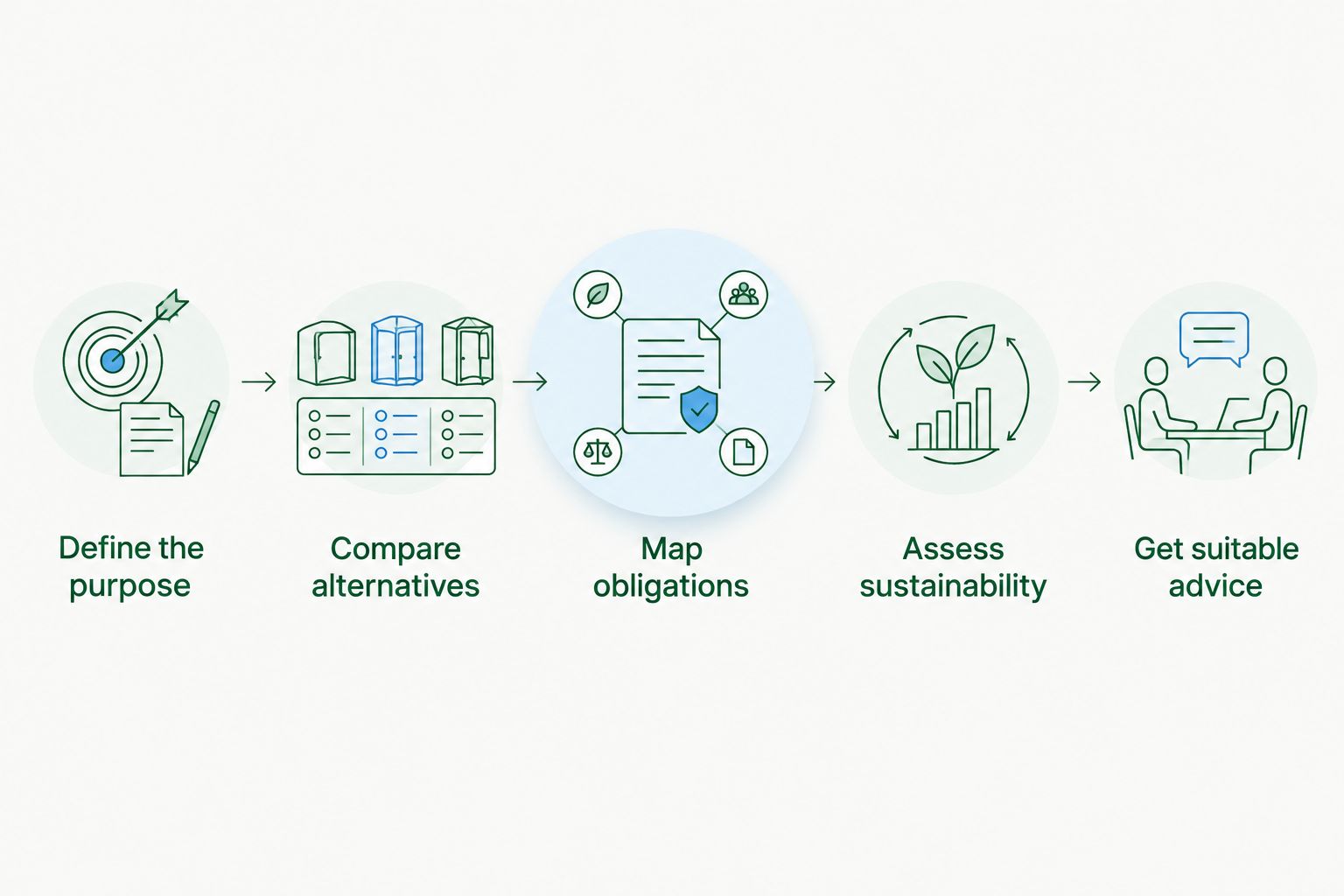
Use this sequence before establishing the fund:
Define the purpose. Identify the retirement objective that self-management would serve. Wanting more control is a starting point, not a complete investment strategy.
Compare alternatives. Check whether your existing super fund offers investment choices that meet the same objective without transferring trustee responsibility to you.
Map obligations. Identify who will handle records, accounts, tax reporting, investment decisions and compliance. An administrator does not replace the trustees.
Assess sustainability. Compare expected ongoing expenses with the starting balance, realistic contributions, insurance needs and investment liquidity.
Get suitable advice. Resolve the suitability question before signing establishment documents or initiating a rollover.
The legal threshold answers whether you can establish a fund. The financial assessment answers whether you should.
How does a low-balance SMSF compare with an existing super fund?
An SMSF transfers responsibility for managing retirement savings to its trustees. An APRA-regulated fund, such as an industry or retail super fund, retains a professional trustee responsible for operating the fund. Neither structure removes investment risk.
For your 2026 comparison, assess the service and responsibilities attached to each structure, not just the account balance.
Structure | Best for | Main benefit | Main limitation |
|---|---|---|---|
SMSF | Members willing and able to take trustee responsibility for a defined retirement strategy | Direct responsibility for investment choices within superannuation law and the fund’s strategy | Administration, audit and compliance obligations remain even with a small balance |
Existing APRA-regulated fund | Members who want a professional trustee to operate their super fund | The trustee manages fund-level administration and compliance | Investment choices depend on the options the particular fund offers |
Do not establish an SMSF solely because you assume an existing fund offers too little control. Read its investment options first. The relevant comparison is between the choices you actually have, not a general impression of how different funds work.
An SMSF also does not provide access to every investment without restriction. Superannuation law, related-party rules, the trust deed and the investment strategy constrain what trustees can do.
What obligations apply even when your balance is small?
A low balance does not create a simpler category of SMSF. You still need to maintain the fund as a separate legal arrangement and meet its reporting and governance obligations.
Establishment and trustee duties
The fund needs a trust deed and an appropriate trustee structure. Individual trustees and corporate trustees have different establishment and administration requirements; the choice deserves attention before documents are signed.
New trustees and directors of a corporate trustee must generally sign the ATO trustee declaration within 21 days of appointment. Signing acknowledges responsibilities; it does not transfer those responsibilities to the accountant who prepares the paperwork.
Accounts, audit and reporting
An SMSF needs financial records and annual accounts. It must appoint an approved SMSF auditor for an independent annual audit and meet its applicable annual return obligations.
These requirements continue when investment activity is limited. Holding cash or making very few transactions does not remove the fund’s annual compliance work.
Investment strategy and oversight
Trustees must prepare, implement and regularly review an investment strategy. It must address matters including investment risk, diversification, liquidity, liabilities and members’ insurance needs.
You also need to keep fund money and assets separate from personal and business assets. An SMSF is not an extension of your business bank account, even when the same people control both.
Why the practicality of a low-balance SMSF varies
The same starting balance can support very different circumstances. These factors determine whether the structure is practical:
Expense burden. Some administration and compliance work exists regardless of fund size. With less money invested, the same expense absorbs a greater proportion of retirement savings.
Investment complexity. Additional assets, transactions and unusual arrangements create more accounting and compliance work. Complexity should serve a clear retirement purpose.
Contribution capacity. Expected contributions affect the fund’s future balance, but contribution caps and eligibility rules still apply. A hoped-for contribution is not money already in the fund.
Liquidity needs. The fund needs cash for expenses, tax and any benefit payments. An asset’s stated value does not mean cash is available when required.
Member circumstances. Age, retirement plans, insurance needs and differences between members affect the strategy and administration.
Trustee capability. Your time, record-keeping discipline and ability to understand decisions matter. Paying specialists for support does not remove your accountability.
For a 2026 assessment, document these factors together. A strong contribution outlook does not cancel an immediate liquidity problem, and a simple investment portfolio does not remove trustee duties.
Does combining super balances make an SMSF more practical?
Combining balances within one SMSF increases the total assets available to meet shared fund expenses. It also means the investment strategy must account for each member’s circumstances, rather than treating the combined balance as one person’s money.
An SMSF can generally have up to 6 members, but membership capacity is not a reason to add people. Different retirement dates, contribution patterns and attitudes to risk need to work within the same fund structure.
Before establishing a family SMSF, discuss decision-making, access to records and what happens if a member leaves, loses capacity or dies. Those questions belong in the initial assessment, not after a disagreement.
Should you wait until your super balance grows?
Waiting is a reasonable choice when you cannot identify a clear benefit from self-management or cannot comfortably support the ongoing obligations. There is no requirement to establish an SMSF simply because you have started researching one.
Use the next 12 months as a planning period if you need a clearer view of contributions, cash requirements and personal circumstances. That is a budgeting horizon, not a legal waiting period or a promise that a particular balance will make an SMSF suitable.
During that period, review your existing fund’s investment options, insurance and beneficiary arrangements. Improving the way you use your current super account is a separate decision from changing the structure that holds it.
What should you check before rolling super into an SMSF?
Check insurance before moving your balance. A rollover or account closure can affect cover held through your existing super fund. Replacement insurance requires its own assessment; do not assume equivalent cover will be available on the same terms.
Confirm that the SMSF has been correctly established and can receive the rollover before requesting the transfer. Establishment paperwork alone does not settle every registration, bank account or rollover requirement.
Then check the practical details:
Which account will pay the fund’s expenses?
How much cash will remain after the intended investments?
Who will keep supporting records and respond to audit requests?
How will trustees monitor contributions and member balances?
What will happen if the original investment plan changes?
A rollover moves retirement savings into a structure you must operate. Treat it as the result of the suitability assessment, not the first step in that assessment.
What should you take to an SMSF discussion?
Bring current super statements, insurance details, a summary of expected contributions and the investment objective you want the fund to achieve. Include all proposed members’ circumstances rather than presenting only the combined balance.
Ask for a written scope of the accounting and administration work. Clarify responsibility for financial statements, annual returns, audit coordination, investment records and trustee queries; an engagement should make those boundaries clear.
Daintree Consulting’s SMSF accounting service is best for business owners seeking accounting support for a self-managed fund. Accounting support helps address reporting and compliance work; it does not, by itself, establish that an SMSF is the right retirement structure for you.
Also ask what unwinding the arrangement would involve. Exit work matters because a decision to establish an SMSF is not costless to reverse, even if the investments themselves are straightforward.
FAQ
Can you set up an SMSF with a low super balance in 2026?
Yes, Australian law does not prescribe a minimum starting balance for an SMSF in 2026. You still need to assess ongoing expenses, trustee responsibilities, insurance and whether self-management suits your retirement objectives.
Is there an ATO minimum balance for an SMSF?
No, the ATO does not prescribe a minimum dollar balance for establishing an SMSF. A legal minimum and a financially sensible starting balance are different questions.
Is an SMSF better than an industry super fund?
An SMSF is not automatically better than an industry super fund. Compare investment options, expenses, insurance and the responsibility you would take on as a trustee.
Can my partner and I combine our super in an SMSF?
Yes, an SMSF can generally have up to 6 members, including partners. Each member’s interests and circumstances still need to be addressed, and member balances must be accounted for separately.
Does a small SMSF still need an annual audit?
Yes, a small SMSF still needs an independent annual audit by an approved SMSF auditor. A low balance or limited investment activity does not remove that obligation.
Can an accountant take over my SMSF trustee responsibilities?
No, using an accountant does not transfer your legal responsibilities as an SMSF trustee. Daintree Consulting provides SMSF accounting support, but trustees remain responsible for the fund’s compliance and decisions.
Should I transfer my super before getting advice?
No, assess suitability and check existing insurance before initiating a rollover. Confirm the SMSF is correctly established and ready to receive the transfer before moving retirement savings.
One last thing
Before establishing a low-balance SMSF in 2026, write down what you would do if the intended investment never happened. Would the fund still have a clear purpose, manageable obligations and a workable retirement strategy?
If the structure only makes sense for one unconfirmed transaction, resolve that uncertainty before establishing it. A fund can outlast the investment idea that prompted it, while its trustee responsibilities continue.
This article provides general information, not personal financial advice. Your circumstances determine whether an SMSF is appropriate.
Talk to Daintree about your SMSF accounts
Our ex-Big 4 team gives clear, senior-reviewed advice so you can act with confidence.
Book a free consultation →
Or explore our SMSF accounting services.
